Fixing GTA Soil Shifting: Why Precision Excavation Matters
CJ Constructors • August 5, 2026
Foundation problems start long before the concrete is poured. At CJ Constructors we know that the stability of any property relies entirely on the ground beneath it. When building a custom home or an addition in the Aurora area, local soil conditions play a massive role in how a structure settles over time. Without proper site preparation, even the best materials will eventually fail under the stress of shifting earth.
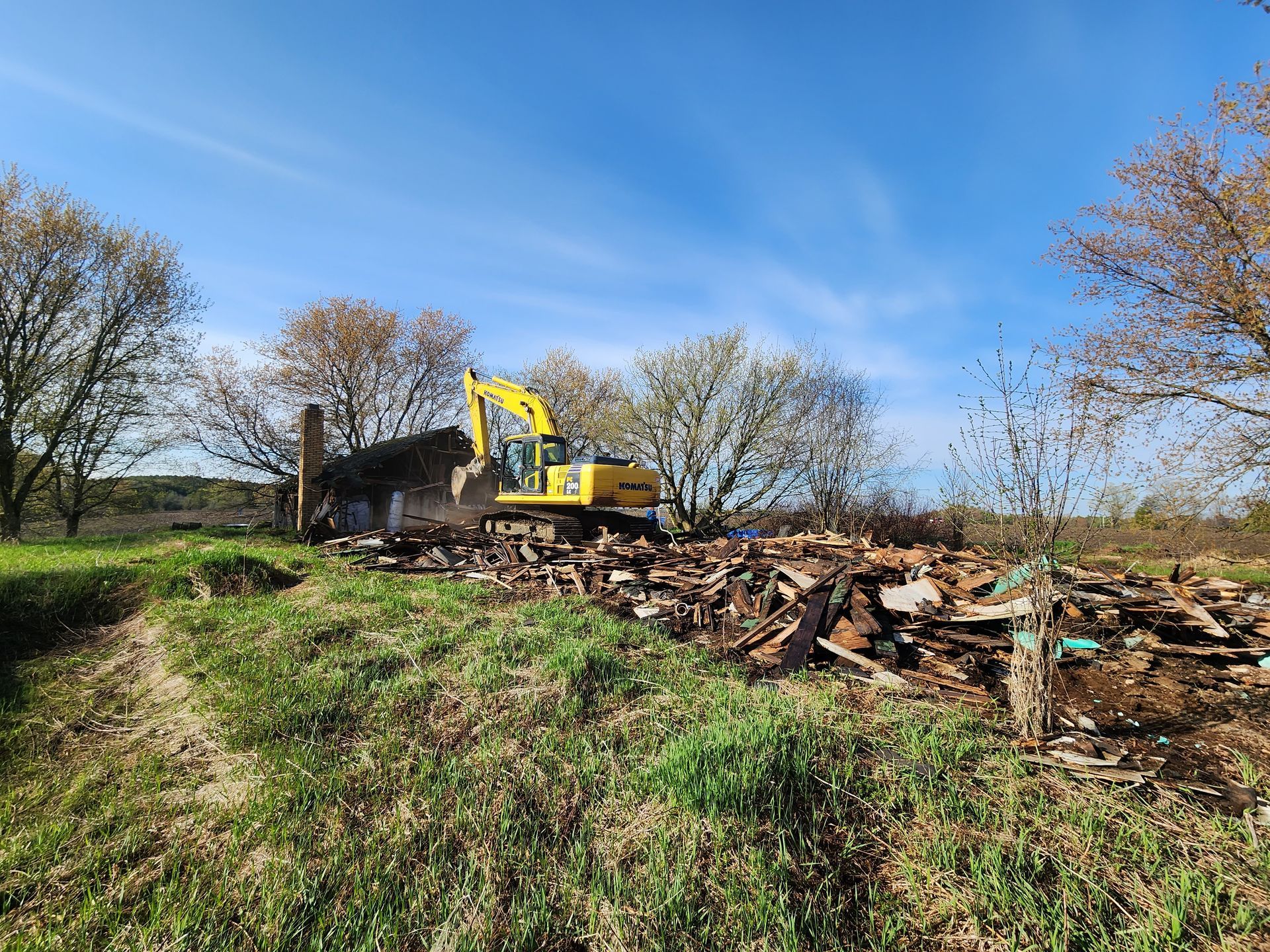
Precision excavation is not just about moving dirt out of the way. It requires a clear understanding of what is happening below the surface to prevent costly structural damage. By analyzing the site and using targeted shoring techniques, we lock the ground in place so your new build rests on a secure and permanent base.
What We Cover:
- The Real Cost of Shifting Ground
- Identifying the Root Cause of Movement
- How do soil conditions in Ontario affect building foundations?
- Why Inexperienced Digging Causes Structural Damage
- Proper Shoring Methods for Stable Sites
The Real Cost of Shifting Ground
A settling foundation causes a chain reaction of damage throughout a house. You might first notice doors that stick in their frames or small cracks radiating from window corners. Over time these minor annoyances turn into major structural issues that compromise the safety of your home.
When the earth beneath a footing moves, the entire weight distribution of the building changes. This uneven pressure cracks drywall, snaps underground plumbing lines, and fractures basement walls. Repairing this kind of damage after the fact requires lifting the house and underpinning the foundation, a process that is incredibly disruptive and expensive.
From a professional standpoint:
→ A quick tip to remember: Address soil stability before construction begins because fixing a foundation later costs substantially more than doing the excavation right the first time.
Identifying the Root Cause of Movement
Understanding why the ground moves is the first step in stopping it. Water is usually the main culprit behind unstable building sites. Poor drainage allows moisture to pool around footings, creating soft spots that cannot support the weight of concrete and framing.
During our initial site evaluations in Aurora, we look closely at natural slopes and water tables. If groundwater is not managed properly during the digging phase, it washes away the compacted base material. This is why we integrate dewatering systems directly into our excavation process to keep the site dry and stable.
This commitment to careful planning and execution is something clients notice firsthand. It is a pattern the team at CJ Constructors hears regularly after completing complex site work.
► Client Experience: Excellent Contractor - Top notch quality, attention to detail, and very professional. Would highly recommend! 10/10 - Shayne Wojteczko
Delivering top-tier quality starts with understanding the specific environmental factors unique to your property.
How do soil conditions in Ontario affect building foundations?
The soil mix in our region contains high levels of clay, which expands significantly when wet and shrinks when dry. This constant swelling and contracting puts immense lateral pressure on basement walls. In addition to clay, frost heave during the colder months causes the moisture in the ground to freeze and push upward. If the excavation depth does not reach well below the frost line, the seasonal lifting will crack even the thickest concrete footings.
Why Inexperienced Digging Causes Structural Damage
Many property owners think they can save money by renting a machine and tackling the site work themselves. This is a massive mistake that often leads to unstable walls and dangerous trench collapses. Digging too deep in the wrong spots disturbs the natural compaction of the soil, meaning the new foundation will sit on loose dirt that is guaranteed to sink.
An amateur operator also runs the risk of undermining adjacent structures. If you are digging a home addition close to your existing house, removing too much earth without proper support will cause your current foundation to cave in. Professional excavation crews know exactly how much material to remove and when to stop, ensuring the surrounding earth remains completely undisturbed.
Proper Shoring Methods for Stable Sites
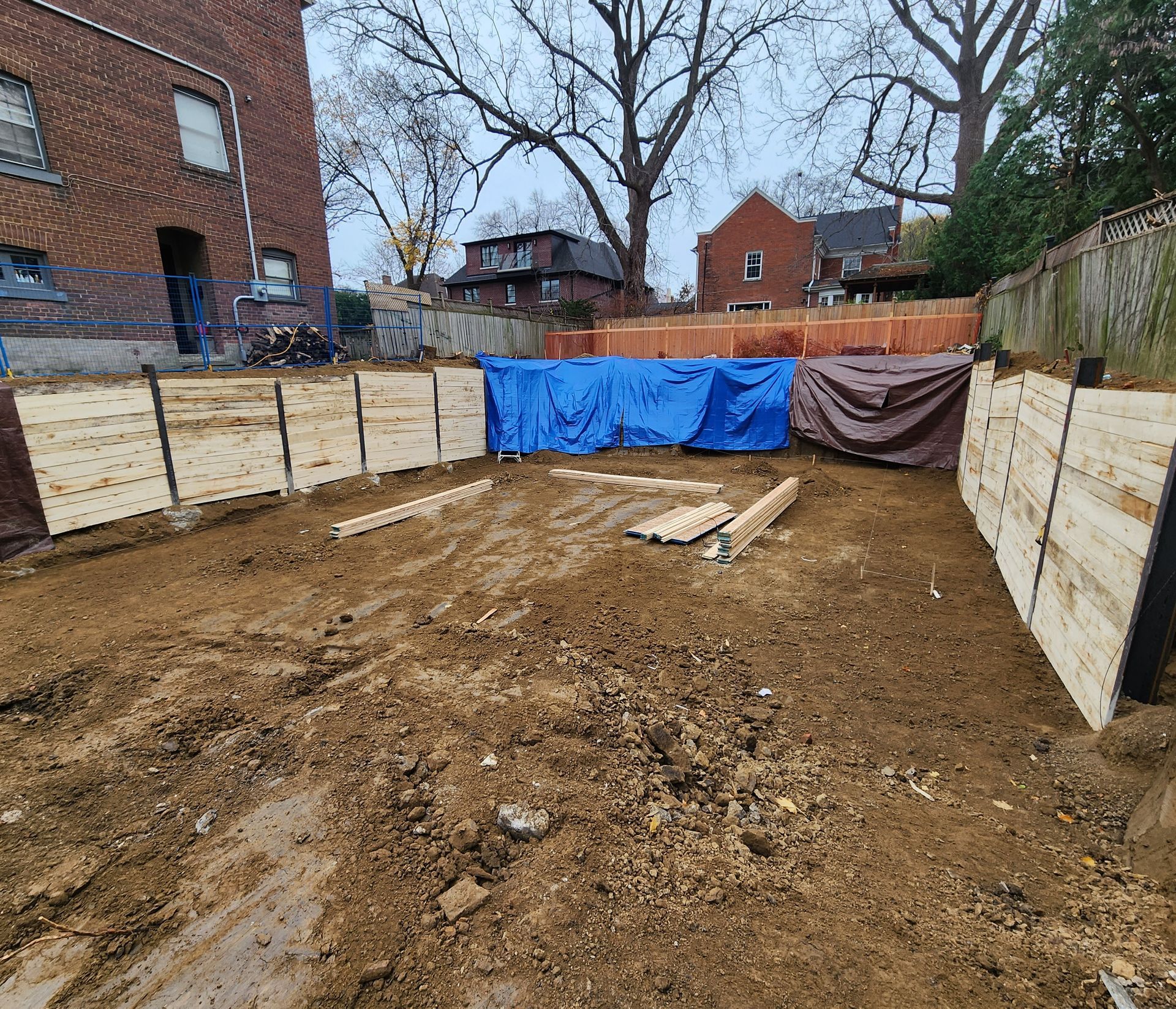
To prevent cave-ins and control soil movement, we rely on advanced shoring techniques tailored to the specific dig site. Hydraulic shoring and sheet piling provide immediate retaining support against the walls of the trench. These systems hold back the lateral pressure of the earth and give our crews a safe environment to pour concrete.
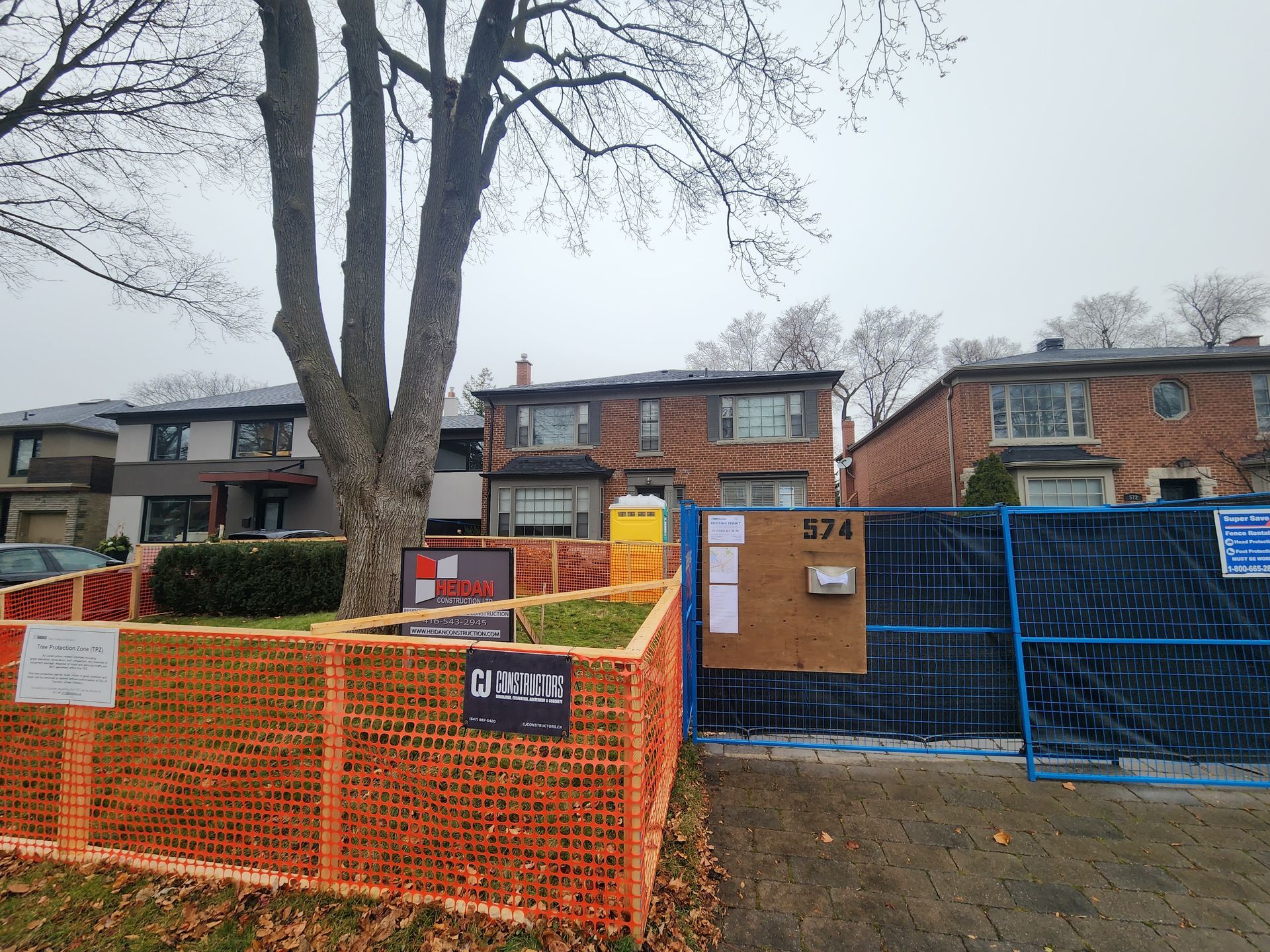
Shoring is especially critical in tight urban lots where neighboring homes are only a few feet away. By securing the perimeter of the excavation, we protect both your new investment and the existing properties nearby.
Securing Your Building Site Properly
Locking in the right shoring strategy ensures the entire site stays secure until the foundation is fully cured. If you are planning a new build or a major addition, the ground beneath your project needs professional attention before a single board is framed. Let our team handle the site preparation so you can build with total confidence.
Reach out today to schedule a site evaluation and get your excavation started on solid ground.
Share This Blog