Why You Need to Finish Excavation Before the Ground Freezes
CJ Constructors • October 28, 2026
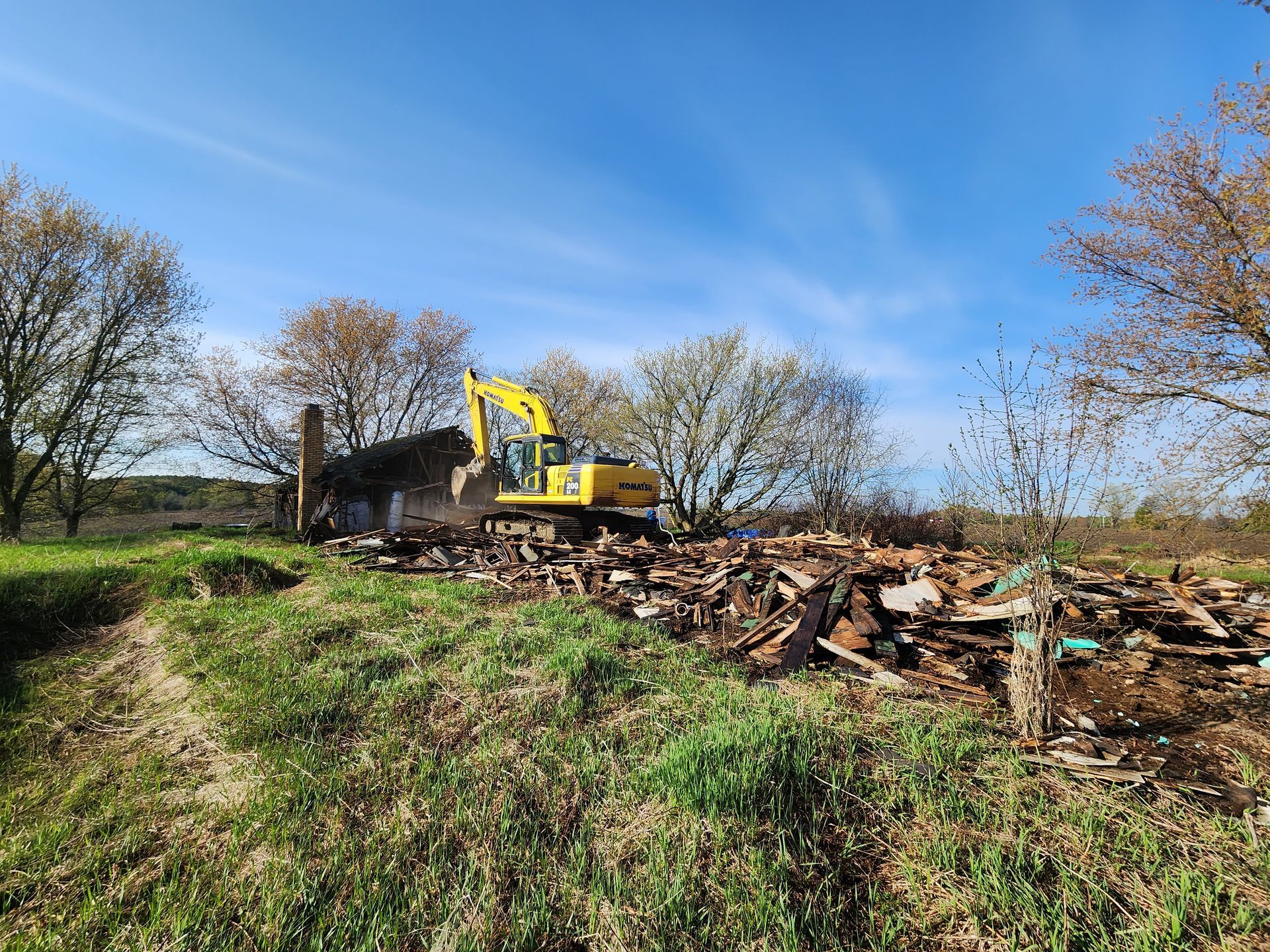
Timing is everything in the construction industry. At CJ Constructors we rely on precise scheduling to keep large projects moving efficiently. For homeowners in Thornhill planning a custom home or a massive basement renovation, the upcoming winter weather presents a hard deadline for moving earth.
Late fall is your absolute last chance to complete major site excavation and shoring work. Once the frost line penetrates deep into the soil, the ground turns as hard as solid rock. Waiting too long to start digging forces you to deal with massive delays and heavy additional equipment costs. Follow these stages to get your property prepared before the freeze hits.
Guide Contents:
- Stage 1: Assess Your Site Readiness
- Stage 2: Schedule Your Excavation Services
- Stage 3: Protect the Foundation Trench
- Frequently Asked Questions
Stage 1: Assess Your Site Readiness
You must verify that your property is completely clear and legally ready for heavy machinery. Rushing an excavator onto a lot without proper preparation leads to broken utility lines and municipal fines.
► The most critical urgency factor is securing your municipal permits immediately, because the city planning office will not expedite your paperwork just because the weather is getting cold.
- Utility Locates: Call local utility companies to mark all buried gas lines, water pipes, and electrical cables with spray paint across the entire dig site.
- Clearing Obstacles: Remove all vehicles, temporary structures, and low hanging tree branches that will block the swing radius of a large excavator arm.
- Access Routes: Determine exactly where dump trucks will enter and exit the property to haul away the dirt, laying down heavy wooden mats to protect existing driveways.
Stage 2: Schedule Your Excavation Services
Securing a spot on a contractor schedule in late October requires immediate action. Every builder in the region is rushing to get their holes dug and foundations poured before the snow flies.
- Equipment Availability: Confirm that the contractor has the right size tracked excavators and bulldozers available for your specific week, as rental yards empty out quickly in the fall.
- Shoring Plans: Ensure the team has engineered shoring materials ready to brace the trench walls, as cold, wet autumn soil is highly prone to dangerous cave-ins.
- Soil Removal: Lock in a contract for dirt removal, as hauling wet, heavy autumn mud requires more truck trips than moving dry summer topsoil.
Stage 3: Protect the Foundation Trench
Once the hole is dug, the work is not over. An open excavation trench is highly vulnerable to November rainstorms and early morning frost.
- Dewatering Setup: Install sump pumps in the lowest corners of the dig site to constantly remove freezing rain and prevent the bottom of the trench from turning into a mud pit.
- Thermal Blankets: Cover the exposed earth at the bottom of the trench with heavy insulated concrete blankets to prevent the frost from penetrating the subgrade before the footings are poured.
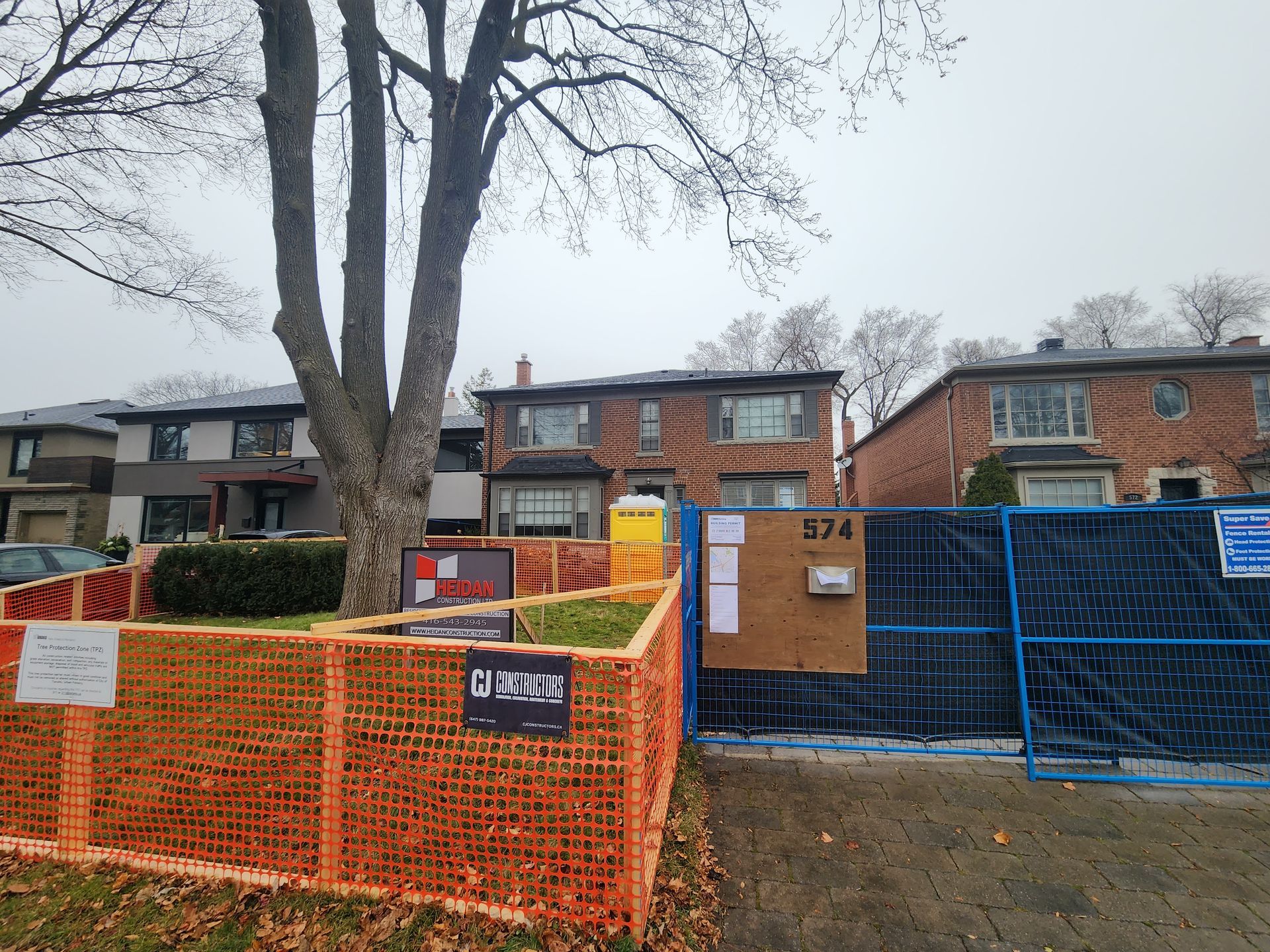
- Perimeter Fencing: Erect secure metal fencing around the entire hole to prevent people and local wildlife from falling into the icy trench overnight.
Frequently Asked Questions
Can you excavate a foundation in the winter?
Technically yes, but it is an incredibly difficult and slow process. Standard excavator buckets bounce right off deeply frozen earth. We have to bring in specialized frost ripping attachments or ground thawing heaters just to break through the top two feet of soil, which drastically slows down the production rate.
How much harder is digging frozen ground?
Frozen clay behaves exactly like concrete. It breaks off in massive, heavy chunks rather than scooping out cleanly. This puts immense wear and tear on the hydraulic systems of the heavy machinery and makes it very difficult to cut a perfectly level trench bottom for the new foundation footings.
Does winter excavation cost more money?
Yes, digging in the winter carries a significant premium. The process takes much longer, requiring more billable hours for the machinery operators. You also have to pay for the fuel to run ground thawing equipment and the extra labor required to chip away frozen mud from the tracks of the excavators every single day.
Beating the Winter Frost
Getting your site dug and secured before November ends ensures your foundation will be ready for framing through the winter. If you delay the site work, you risk pushing your entire build schedule out to the spring thaw. Contact us today to lock in your excavation timeline and beat the freezing temperatures.
Share This Blog