Why Stamped Concrete Cracks and How to Prevent Early Damage
CJ Constructors • August 25, 2026
Stamped concrete offers the high end look of natural stone or brick without the massive price tag. At CJ Constructors we install custom concrete features for homeowners across Markham who want durable and attractive driveways. However, setting honest expectations about this material is critical.
While concrete is incredibly strong, it is not immune to the forces of nature. Understanding why surface cracks happen and how proper base preparation prevents them will help you protect your investment and keep your property looking great for years.
Article Breakdown:
- The Reality of Concrete Settlement
- What Actually Causes Surface Cracking
- The Importance of Professional Site Prep
- Frequently Asked Questions
The Reality of Concrete Settlement
Concrete is a rigid material poured over earth that is constantly in motion. Many people assume a newly poured driveway will remain perfectly flawless forever, but the reality is that concrete flexes and settles as the ground beneath it changes. Tiny hairline cracks are a normal part of the curing process as the water evaporates and the slab shrinks slightly.
To control this natural shrinkage, we cut expansion joints into the surface. These joints intentionally create weak points in the slab in straight, hidden lines. When the concrete inevitably shifts, it cracks down inside the joint rather than spiderwebbing across the beautiful stamped pattern on top.
From a professional standpoint:
→ A quick tip to remember: A few hairline cracks in the expansion joints mean the concrete is behaving exactly as it should to relieve ground pressure.
What Actually Causes Surface Cracking
A common overestimation is that thick concrete can withstand any amount of weight or weather. While a thick slab is strong, heavy vehicles parked near the unsupported edges can snap the corners off.
The biggest enemy of stamped concrete in our region is the freeze and thaw cycle. When water penetrates the porous surface of the concrete and freezes, it expands by about nine percent. This internal pressure pops the top layer of the decorative stamp off, a process known as spalling. Keeping the surface sealed blocks the moisture and stops the winter weather from destroying the finish.
We focus heavily on getting these preventative details right so your new driveway lasts. This approach to long term quality is something our clients appreciate across all our trades.
► Client Experience: Great guys to deal with, quick to reply to questions and requests. Worked quickly. Excellent job on a bathroom complete reno. - Patrick Kim
Whether we are laying tile indoors or pouring concrete outside, thorough preparation ensures the final product stands up to daily use.
The Importance of Professional Site Prep
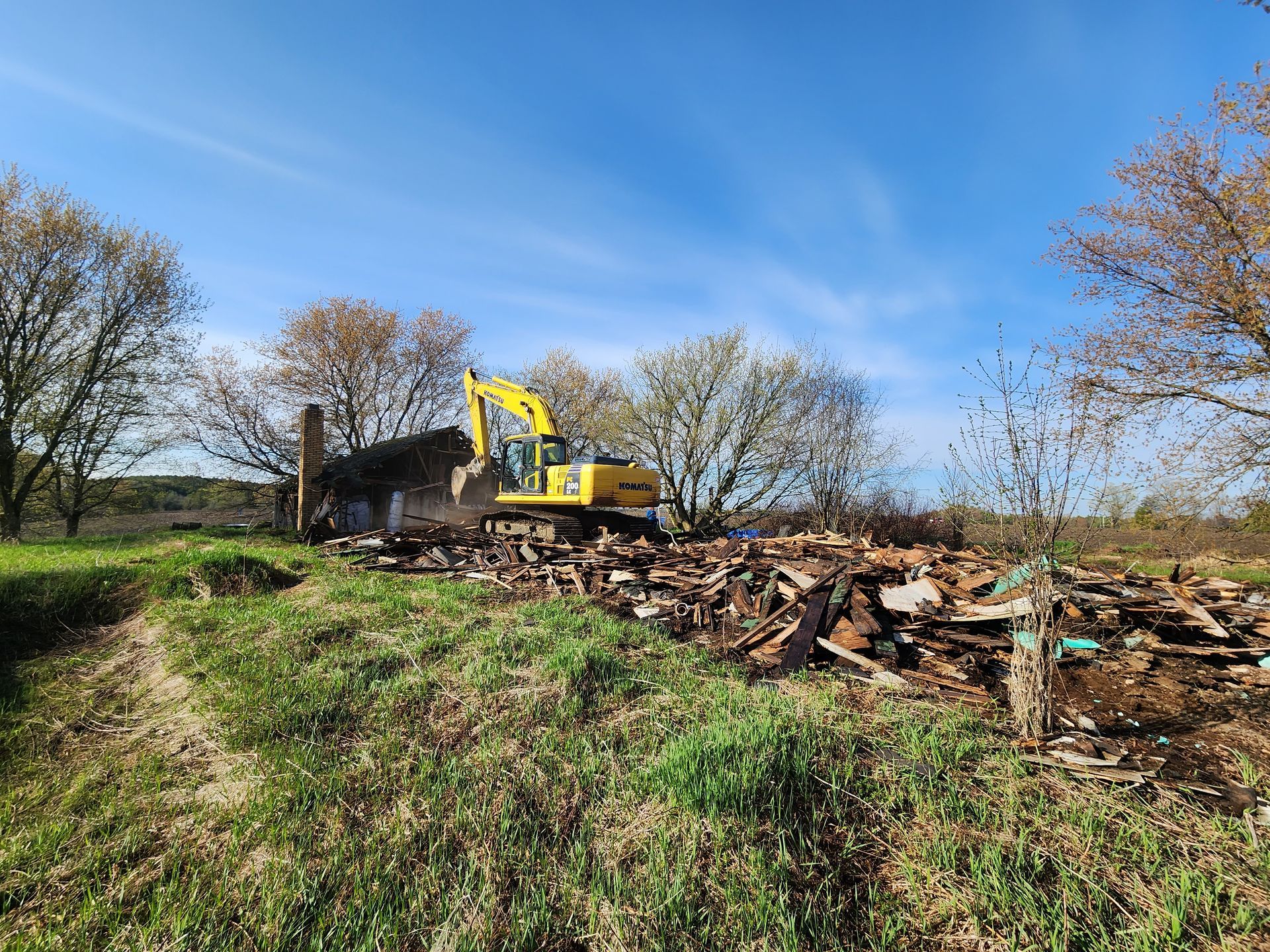
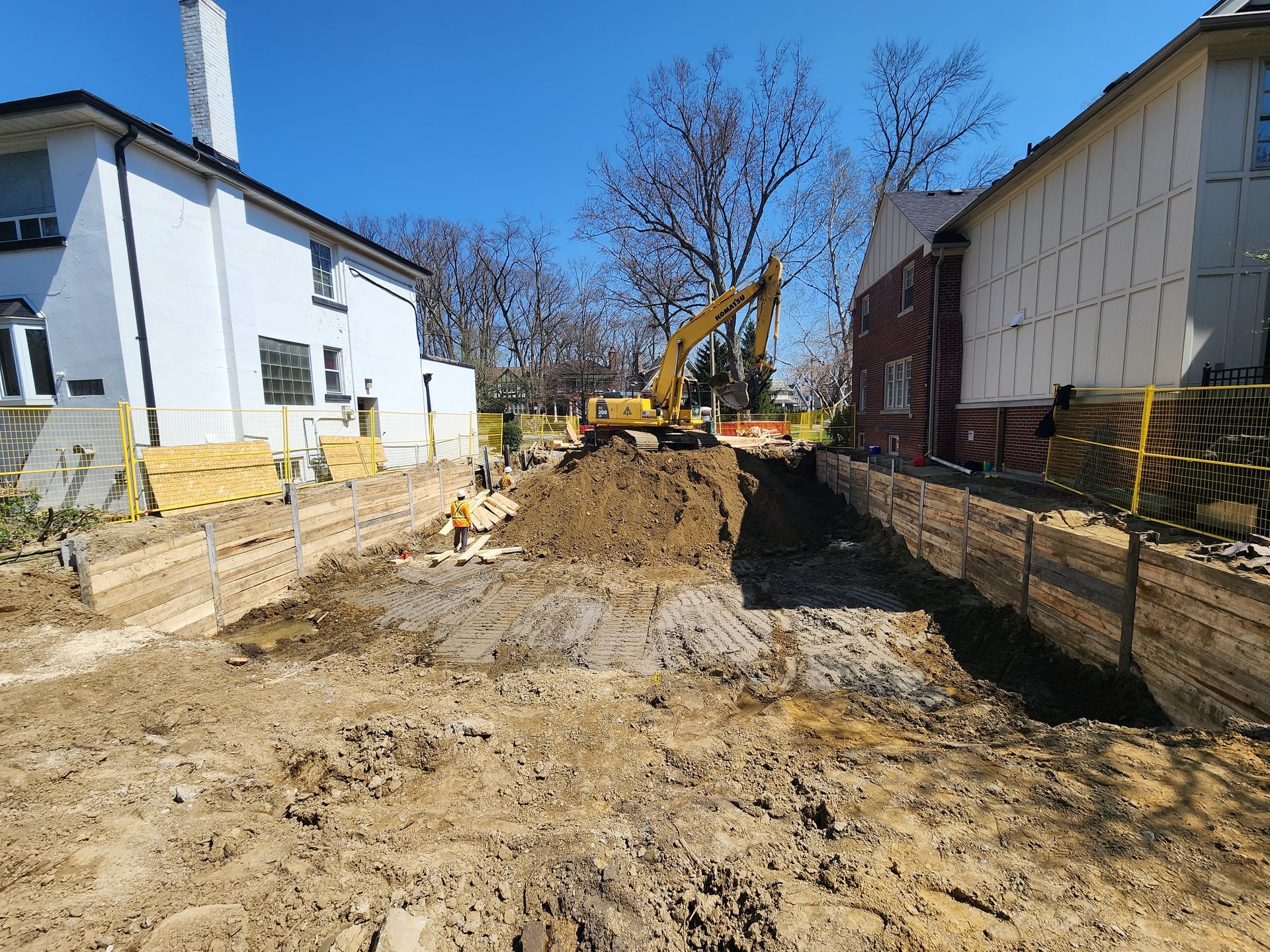
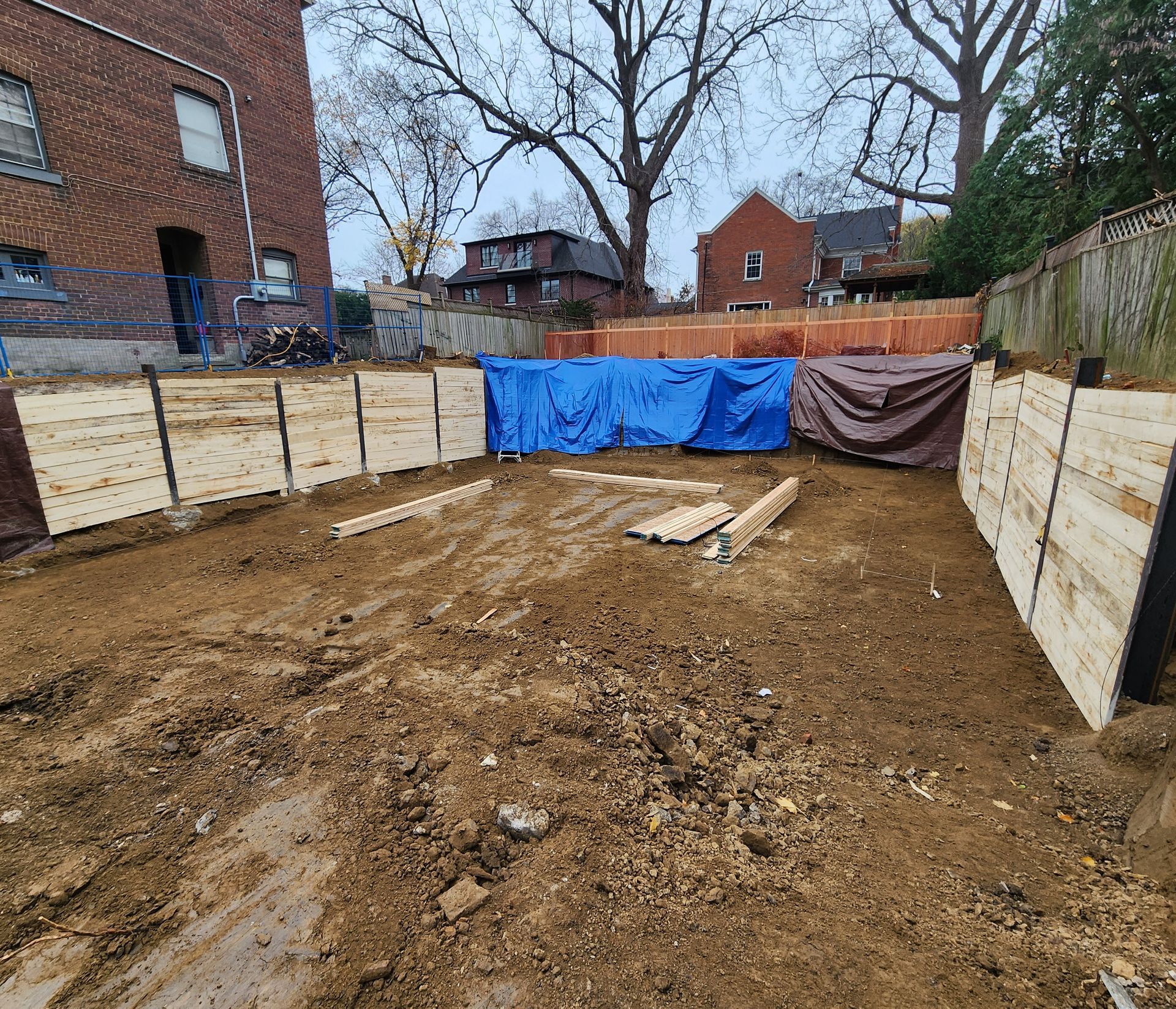
You cannot pour premium concrete over soft dirt and expect it to hold up. The secret to a driveway that resists cracking lies entirely in the excavation and the base material. We dig down past the soft topsoil to reach firm earth, creating a stable trench for the new driveway.
Once excavated, we install a thick layer of crushed gravel and compact it heavily. This gravel base provides a solid foundation and allows ground water to drain away from the bottom of the concrete slab. Without this compacted drainage layer, water pools under the driveway, freezes in the winter, and heaves the entire slab upward. We also install steel rebar grids within the wet concrete to hold the slab together even when the ground shifts heavily.
Frequently Asked Questions
How long does stamped concrete last in Ontario?
With proper installation and maintenance, a stamped concrete driveway can last 25 to 30 years. The lifespan depends heavily on the quality of the gravel base and how consistently the surface is sealed. Neglecting to reapply sealer every two years allows salt and moisture to penetrate, which cuts the lifespan in half.
Can cracked stamped concrete be repaired?
Small cracks can be filled with a color matched masonry caulk to prevent water from getting inside and making the crack wider. However, large structural cracks caused by a sinking foundation usually require cutting out the damaged section and pouring new concrete. We always tell clients that patches will never perfectly match the original weathered color of the surrounding slab.
Does stamped concrete need a special base?
It requires the exact same heavy duty crushed stone base as a traditional brushed concrete driveway. We lay down at least four to six inches of granular stone and run a heavy plate compactor over it until it is rock hard. Skipping the compaction step guarantees the slab will sink and crack under the weight of a parked car.
Pouring a Foundation for the Future
Proper grading, a solid stone base, and strategic expansion joints are the keys to a driveway that looks incredible and resists the elements. If you are ready to upgrade your curb appeal with a surface built to last, you need a team that refuses to cut corners on the prep work. Contact us today to discuss your site and start planning your new concrete project.
Share This Blog