Preventing Moisture Damage in Newly Finished Ontario Basements
CJ Constructors • September 2, 2026
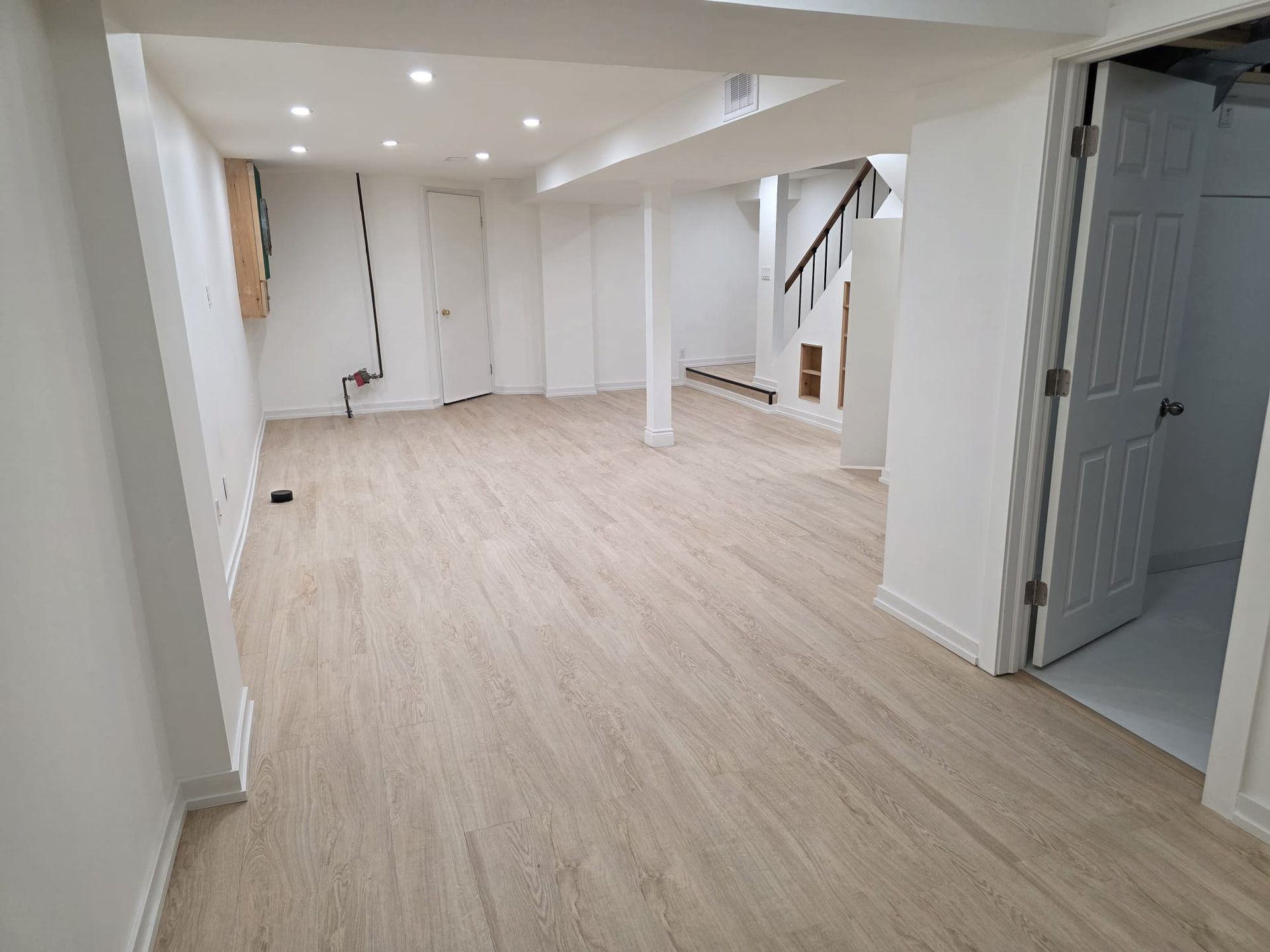
Finished basements are notorious for hidden water issues that can ruin your investment in a matter of months. At CJ Constructors we know that turning an underground concrete box into a comfortable living space requires serious attention to vapor barriers and waterproofing. Even the highest quality basement renovations can suffer if the homeowner does not actively manage the climate inside the home.
Preventing moisture damage is an ongoing responsibility that starts the day the tools are packed up. By understanding how humidity moves through a below grade space in Mississauga, you can protect your new drywall, flooring, and framing from rot. Follow this practical guide to keep your newly finished basement dry and structurally sound year round.
What We Cover:
- Immediate Aftercare for Your New Space
- Everyday Habits to Keep Moisture Out
- The Biggest Maintenance Mistakes Homeowners Make
- Signs It Is Time to Call the Professionals
Immediate Aftercare for Your New Space
The first few weeks after a basement remodel are critical for establishing a dry baseline. Fresh drywall mud, new paint, and recently poured concrete leveling compounds all release trapped moisture into the air as they cure.
- Dehumidifier Setup: Run a high capacity dehumidifier constantly for the first month to pull construction moisture out of the air before it settles into your new carpets.
- Air Circulation: Keep interior doors open and run floor fans to move stagnant air out of corners and away from exterior walls.
- Gutter Checks: Inspect your exterior downspouts immediately to ensure rainwater is being pushed at least six feet away from your foundation walls.
Everyday Habits to Keep Moisture Out
Daily routines play a massive role in maintaining a healthy basement environment. Ground temperatures are naturally cool, and when warm indoor air hits cool basement walls, condensation forms instantly.
How do I keep my finished basement from smelling musty?
A musty smell is the first indicator of airborne mold spores feeding on trapped humidity. To keep the air fresh, you must control the moisture level and keep air moving constantly.
- Consistent Temperature: Never turn the heat completely off in the basement during winter, as cold walls invite severe condensation when warmer air from upstairs drifts down.
- Mechanical Ventilation: Run exhaust fans during and after using any basement showers or laundry machines to expel humid air directly outside.
- Humidity Monitoring: Keep a digital hygrometer on a shelf and ensure the relative humidity stays between thirty and fifty percent all year.
The Biggest Maintenance Mistakes Homeowners Make
Even small oversights can undo thousands of dollars of professional renovation work. Many homeowners accidentally create moisture traps without realizing it.
► The single most important rule of basement maintenance is to never ignore external grading, because surface water pooling against your foundation will eventually defeat any interior waterproofing system.
- Blocking Air Vents: Shoving heavy furniture tightly against return air grilles starves your HVAC system and creates dead zones where damp air lingers.
- Storing Cardboard: Keep all storage boxes off the floor using wire shelving, as cardboard acts like a sponge and pulls trace moisture directly out of concrete slabs.
- Ignoring Window Wells: Failing to clear dead leaves out of exterior window wells causes them to fill with water that eventually pushes through the window seals.
Signs It Is Time to Call the Professionals
Sometimes regular maintenance is not enough to stop a structural water issue. Recognizing the early warning signs of water intrusion allows you to fix the problem before it destroys your finished walls.
- Efflorescence Stains: Look for chalky white powder appearing on exposed concrete in your utility room, which indicates water is pushing through the foundation.
- Peeling Baseboards: Check the bottom edge of your trim for swelling or peeling paint, a clear sign that water is wicking up from the subfloor.
- Unexplained Drafts: Feel for cold air around basement windows, which often means the exterior caulking has failed and is allowing wet winter air inside.
Protecting Your Below Grade Investment
Staying on top of humidity and exterior drainage is the only way to keep your basement looking and smelling brand new. If you notice persistent dampness or suspect your current layout lacks proper ventilation, it might be time to look at structural solutions. Reach out to our team today to discuss long term waterproofing and ventilation upgrades for your home.
Share This Blog