Hardwood Versus Tile: The Honest Truth About Kitchen Floors
CJ Constructors • October 14, 2026
Choosing the right flooring for a kitchen is a major decision that impacts both the look and the longevity of the room. At CJ Constructors we guide homeowners through the realities of different building materials during large kitchen renovations. While many people love the continuous look of wood flowing through an entire house, a kitchen presents unique environmental challenges that push materials to their limits.
Water spills, dropped pots, and heavy foot traffic require a floor that can take serious abuse. Setting honest expectations about how wood and tile actually perform in a working kitchen helps you choose a product that fits your lifestyle. A beautiful floor is only valuable if it can survive the daily realities of cooking and cleaning in a busy Richmond Hill household.
In This Article:
- The Reality of Hardwood in High Traffic Zones
- Why Tile is Not Completely Indestructible
- The Role of Subfloor Preparation
- Frequently Asked Questions
The Reality of Hardwood in High Traffic Zones
A common overestimation homeowners make is assuming that modern polyurethane sealers make hardwood completely waterproof. While solid wood floors bring incredible warmth and aesthetic value to a home addition or kitchen remodel, they are still fundamentally organic materials. Wood expands when it absorbs moisture and shrinks when it dries out.
If your dishwasher leaks or a dropped ice cube melts under the cabinets, the water will eventually seep between the planks. Once water gets into the seams, the edges of the boards cup upward, creating a permanent wavy texture that requires aggressive sanding to fix. Hardwood in a kitchen demands immediate attention to spills and a strict humidity control routine during the dry winter months.
From a professional standpoint:
→ A quick tip to remember: Engineered hardwood handles temperature and humidity swings better than solid wood, making it a much safer option for kitchen environments.
Why Tile is Not Completely Indestructible
Porcelain and ceramic tiles offer unmatched resistance to water and stains. You can mop a tile floor aggressively without worrying about ruining the finish or causing the material to swell. This makes tile the traditional favorite for wet zones and high traffic entryways.
However, tile is exceptionally rigid and brittle. If you drop a heavy cast iron pan on a ceramic tile, it will chip or crack. Furthermore, the grout lines between the tiles are porous. Unless the grout is sealed annually, it will absorb grease and dirty mop water, turning dark and looking perpetually dirty within a few years.
From a professional standpoint:
→ A quick tip to remember: Opting for epoxy grout instead of traditional cement grout costs more upfront but completely eliminates the need for future sealing and scrubbing.
The Role of Subfloor Preparation
No matter which surface material you choose, the floor will fail if the structure underneath it is weak. Installing rigid tile over a bouncing floor joist system guarantees that the grout lines will crack and the tiles will pop loose within months.
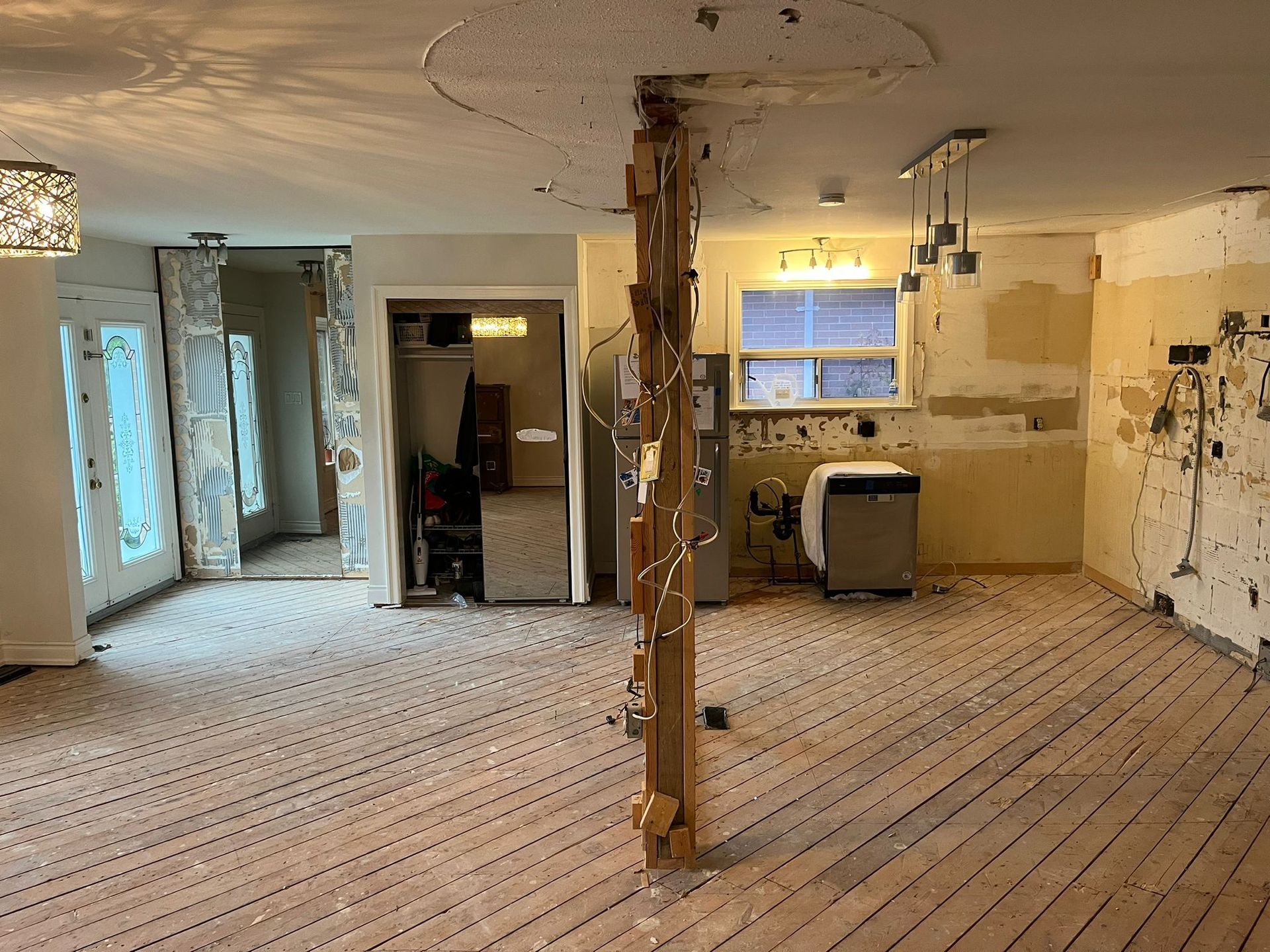
During our renovation process, we test the deflection of the floor. If there is too much movement, we add an extra layer of thick plywood to stiffen the base. Hardwood requires a perfectly flat subfloor to prevent the boards from squeaking every time you step on them. Proper base preparation is the invisible step that ensures your new kitchen floor lasts for decades.
Frequently Asked Questions
Is hardwood flooring a bad idea for kitchens?
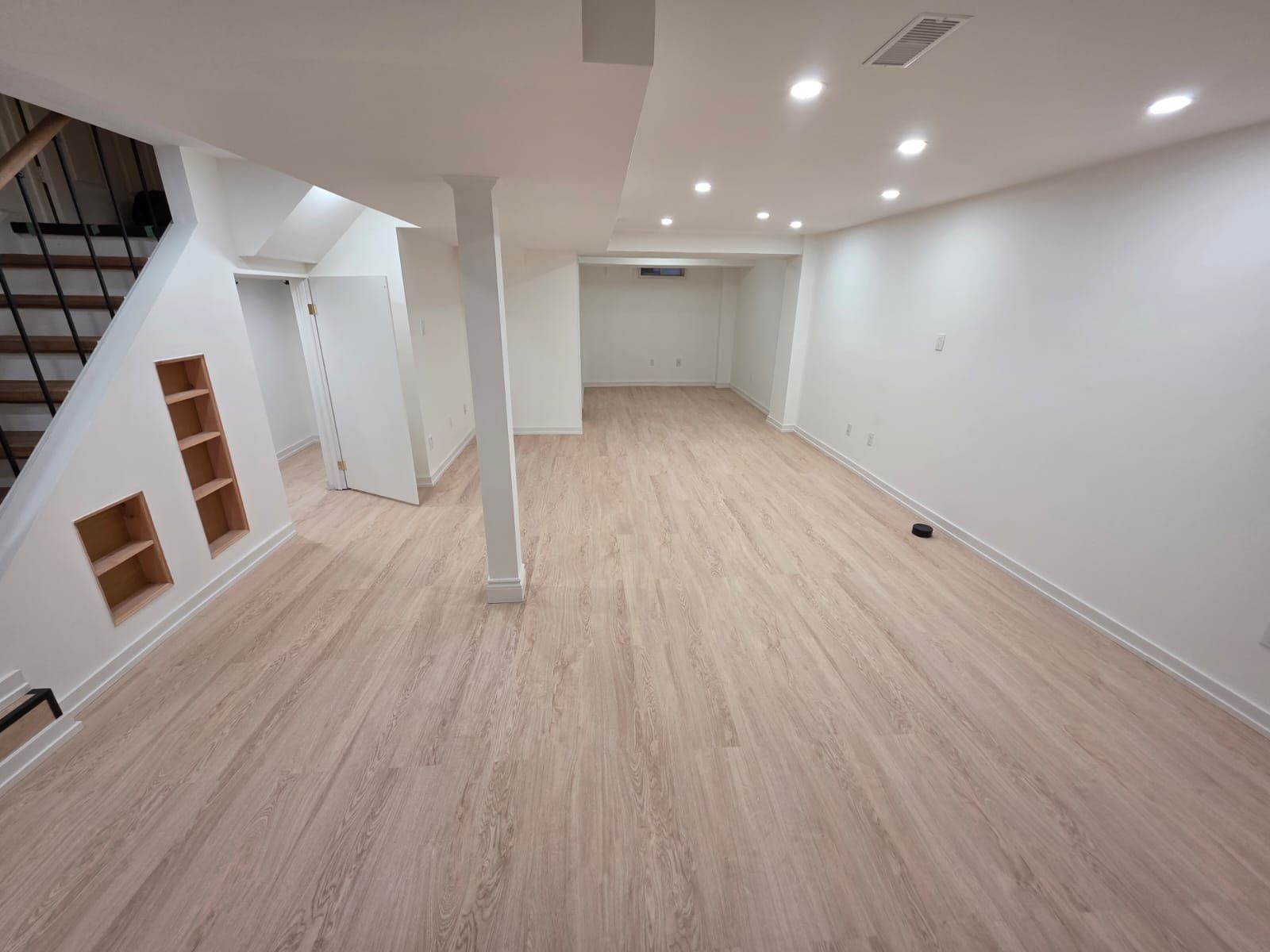
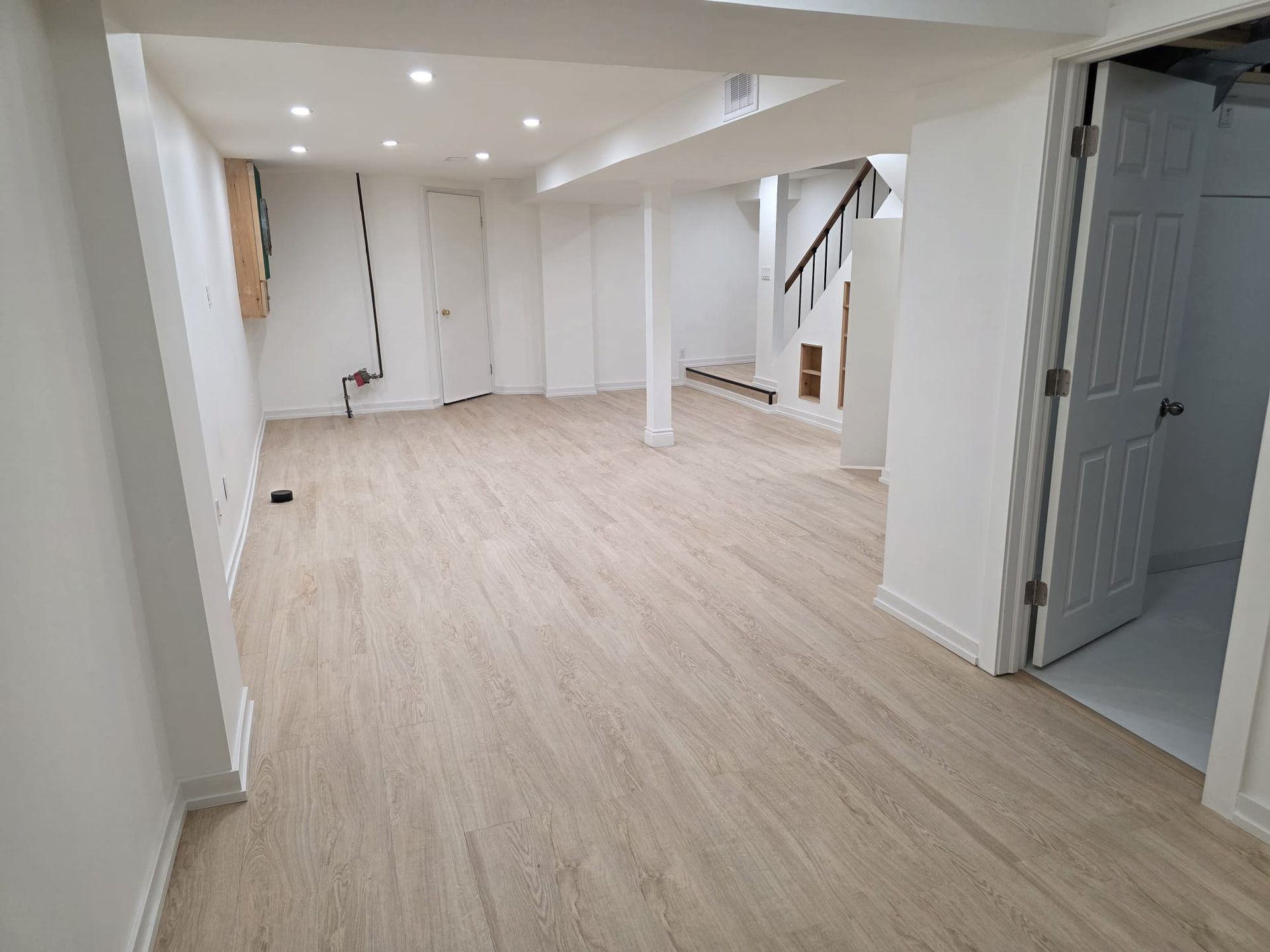
It is not a bad idea, but it requires a very specific lifestyle and maintenance routine. If you have large dogs, young children, or a habit of ignoring minor spills, hardwood will show heavy wear and water damage very quickly. Families who want the look of wood without the stress often choose high quality luxury vinyl plank for their kitchens instead.
What is the most durable tile for a kitchen floor?
Porcelain tile is significantly denser and less porous than standard ceramic tile. It is fired at a much higher temperature during manufacturing, making it highly resistant to chipping and completely impervious to water. Through-body porcelain is the best choice because the color goes all the way through the tile, meaning accidental chips remain nearly invisible.
How do you transition wood to tile in open plans?
We use a custom milled transition strip or a metal Schluter edge profile to create a clean visual break between the two materials. The critical step is matching the height of the tile board and tile layer to the thickness of the hardwood so the transition sits perfectly flush, preventing a dangerous tripping hazard in the middle of your floor.
Making the Right Flooring Choice
Selecting the perfect flooring means balancing your design goals with the practical realities of a working kitchen. If you need help designing a space that looks great and functions perfectly, our team can guide you through the material selection process. Contact us to start planning a kitchen layout that stands up to your daily routine.
Share This Blog