Demolition Do's and Don'ts: Essential FAQ's for a Smooth Transition with CJ Constructors
CJ Constructors • March 17, 2025
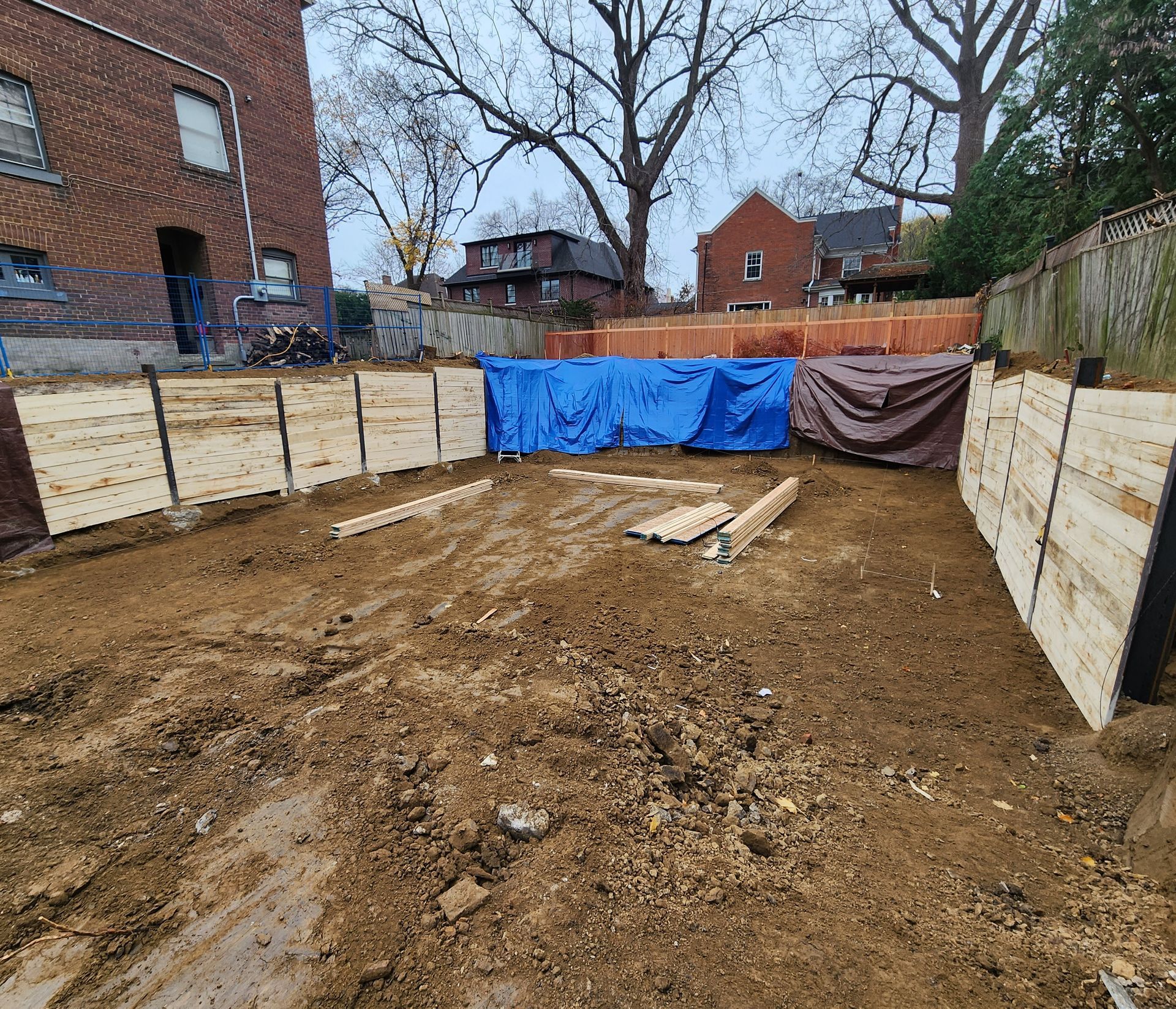
Demolition is a critical step in setting the stage for new beginnings in both residential and commercial construction. At CJ Constructors, we specialize in a variety of demolition services suited to diverse needs. Whether you’re clearing space for a new home, redeveloping a commercial property, or tackling an industrial overhaul, successful demolition requires careful planning and execution. Here's a comprehensive guide on the dos and don'ts of demolition, providing answers to essential FAQs to ensure a seamless transition with CJ Constructors.
Understanding the Types of Demolition
What's the Difference Between Residential, Commercial, and Industrial Demolition?
Each type of demolition has unique characteristics and requirements:
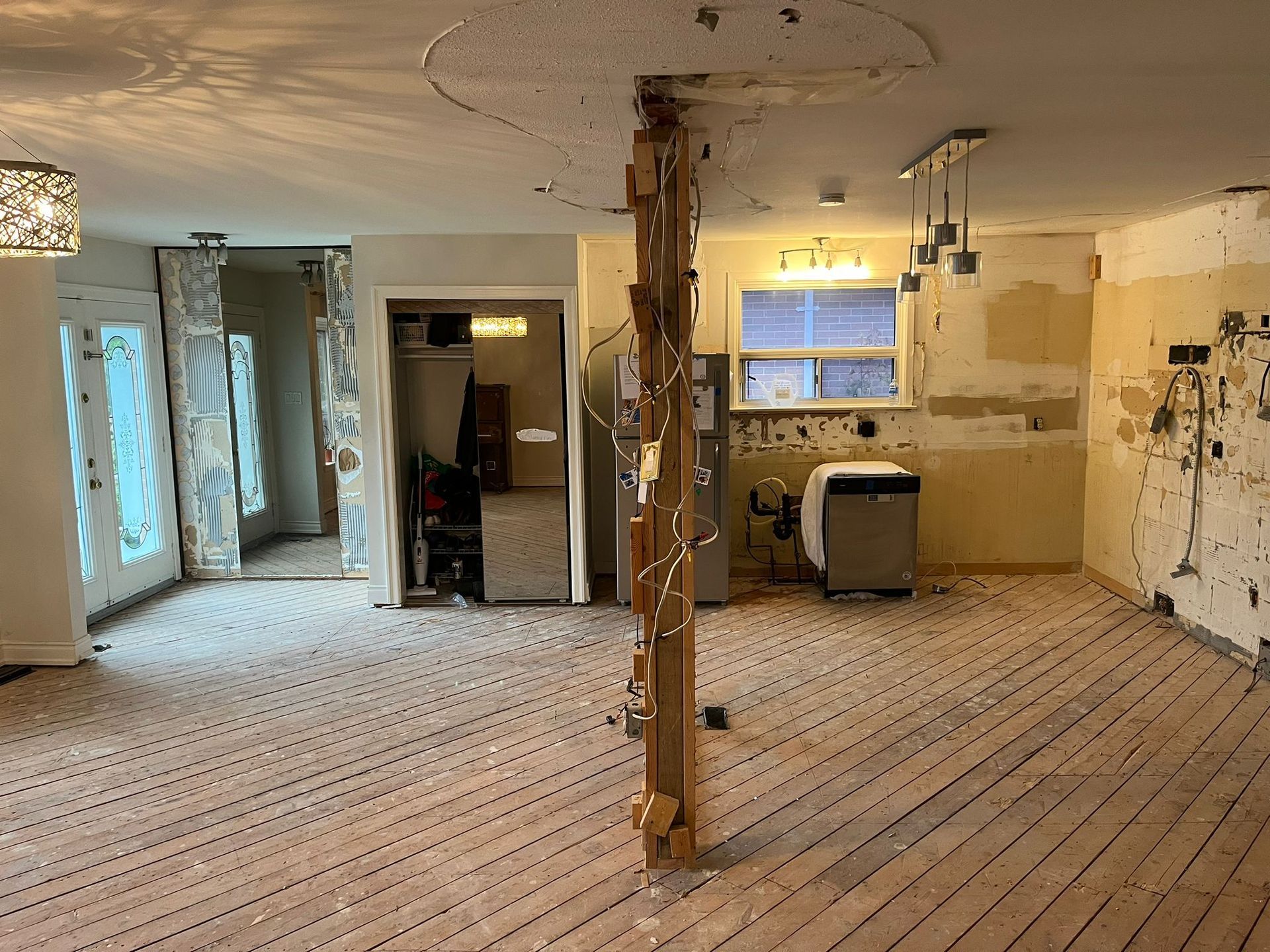
- Residential Demolition: This involves tearing down houses and small buildings. It’s perfect for clearing land for new construction or removing unsafe structures.
- Commercial Demolition: Focuses on dismantling office buildings, retail spaces, and other commercial properties, paving the way for new developments.
- Industrial Demolition: Targets factories, warehouses, and large industrial structures, facilitating site redevelopment or environmental remediation.
At CJ Constructors, we possess the expertise and equipment necessary to handle each category with precision and safety.
Permit Essentials
Do I Need Permits for Demolition?
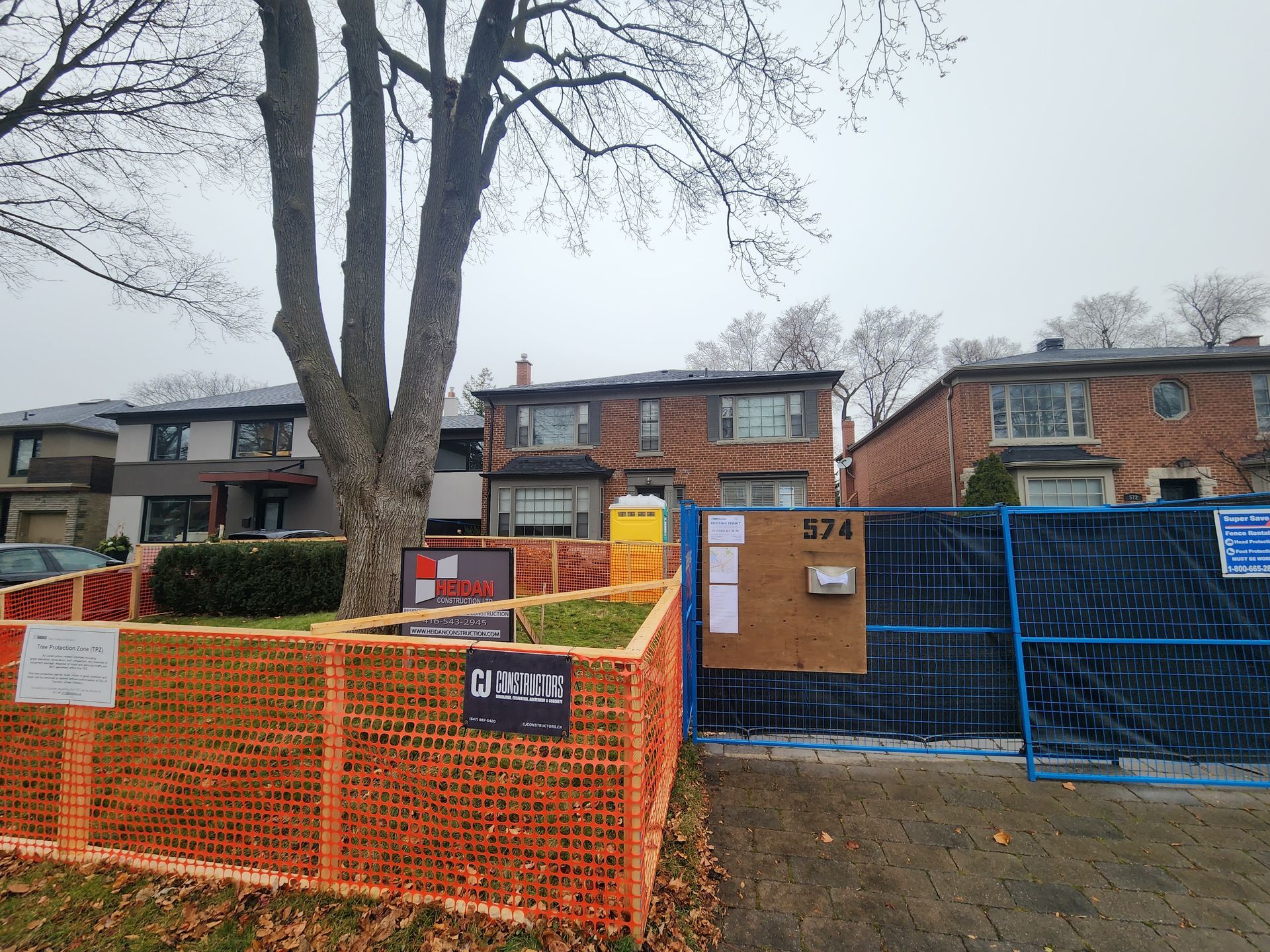
Yes, obtaining permits is a crucial step in the demolition process. These might include demolition, environmental, and utility disconnection permits. Permits ensure compliance with safety regulations and typically take a few weeks to secure. Our team at CJ Constructors will manage this process for you, ensuring everything is in place before work begins.
Safety First
How Does CJ Constructors Ensure Safety During Demolition?
Safety is our top priority. We begin with a thorough site assessment to evaluate the structure, identify hazardous materials like asbestos or lead paint, and plan the demolition. Our team, trained to follow OSHA standards and local environmental laws, safely removes hazardous materials. We also utilize protective barriers and precise demolition techniques to protect nearby structures and prevent accidents.
Equipment and Techniques
What Specialized Equipment Is Used in Demolition?
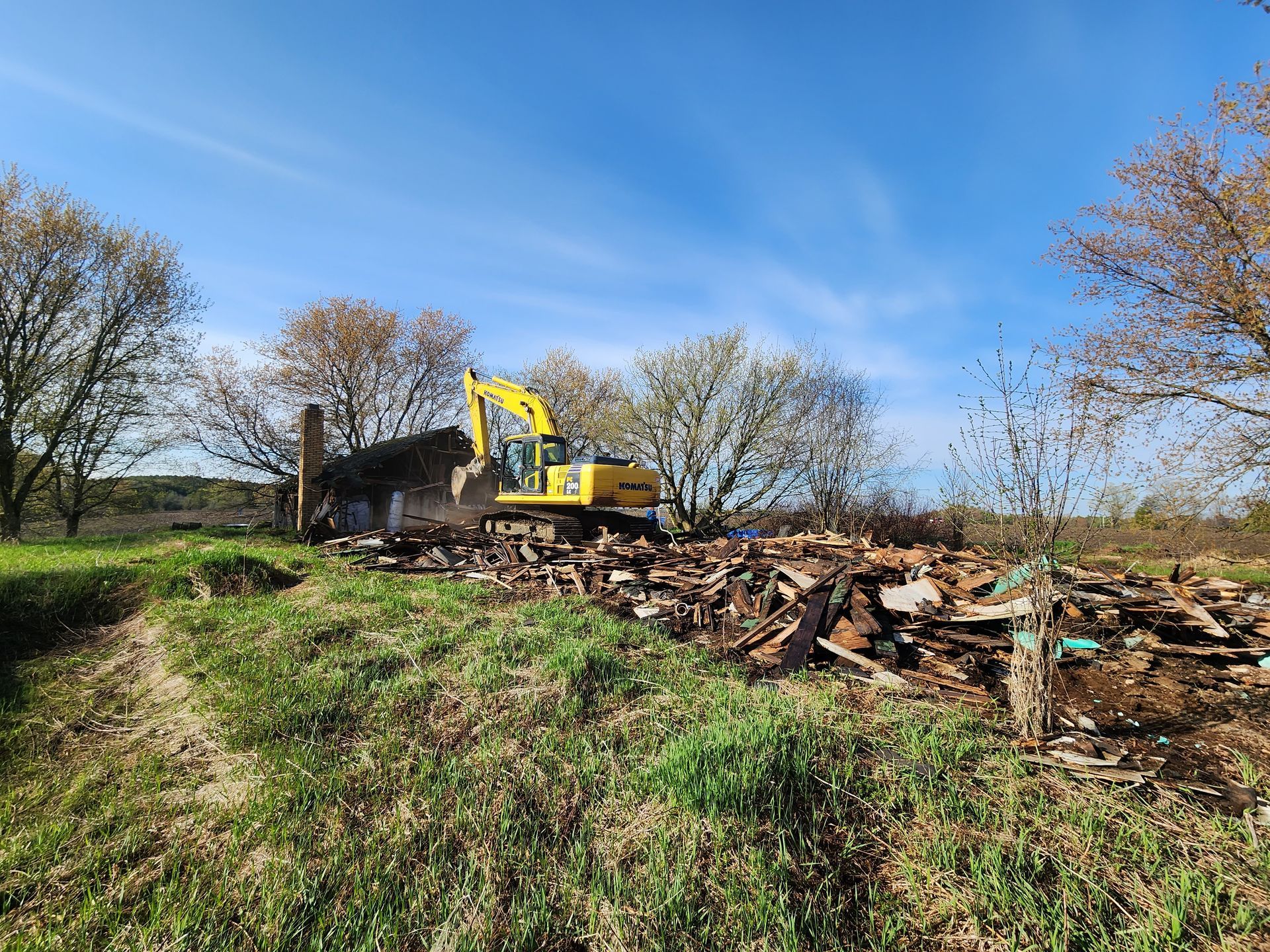
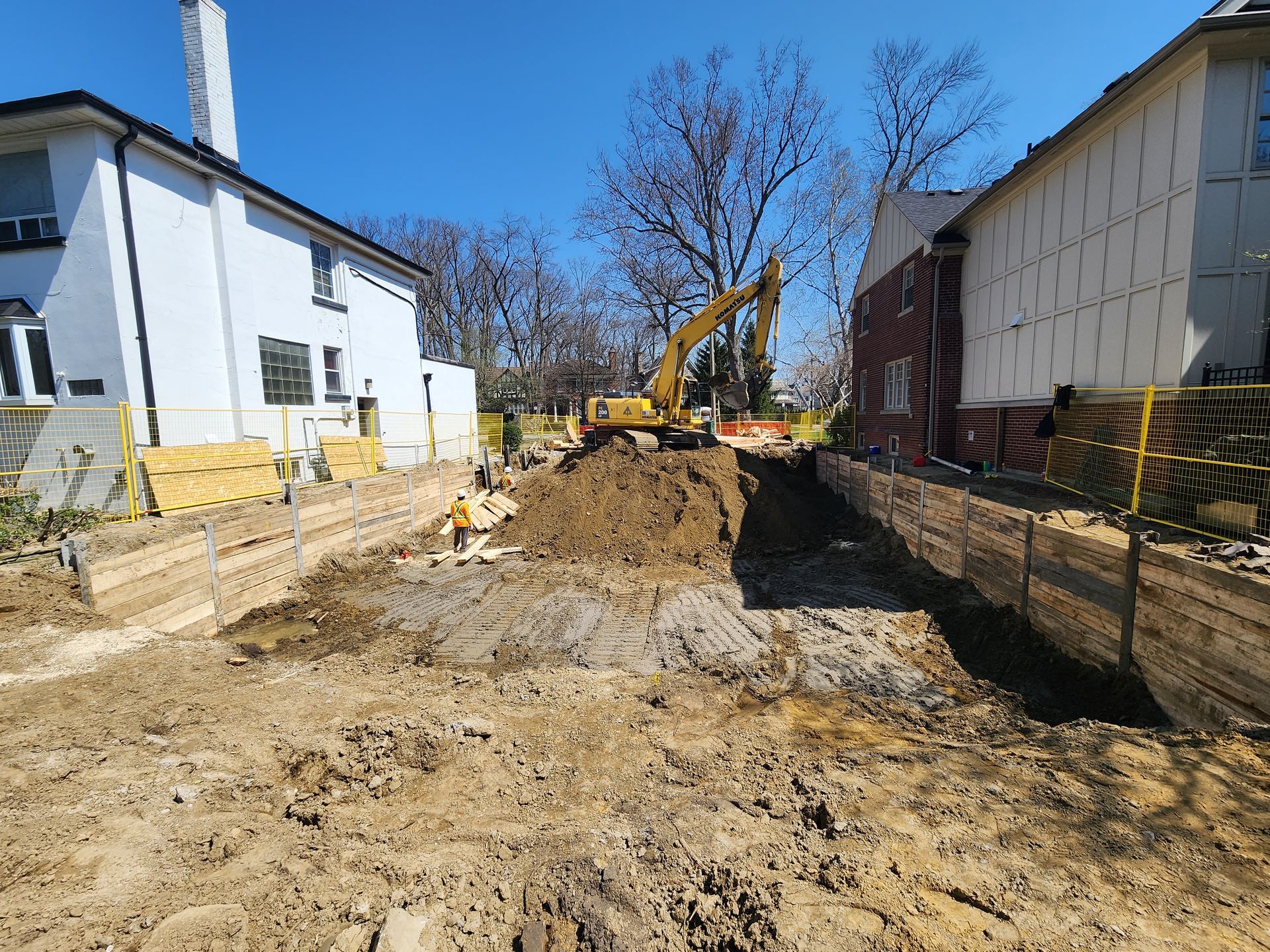
At CJ Constructors, we employ a range of specialized equipment tailored to the task at hand. This includes excavators, bulldozers, wrecking balls, and, in some cases, controlled explosions for large-scale industrial demolitions. Our approach combines thorough planning with the optimal choice of tools to ensure an efficient and safe process.
Environmental Responsibility
How Does CJ Constructors Handle Environmental Concerns?
Environmental responsibility is integral to our operations. We prioritize recycling and proper disposal of waste, sorting materials to minimize environmental impact. All hazardous waste is handled according to strict regulations to prevent contamination. Our commitment to eco-friendly practices includes planning demolitions to allow for maximum recycling and sustainability.
Waste Management
What Happens to the Debris and Waste Materials?
Effective waste management is key to a successful demolition. We sort materials for recycling whenever possible and ensure proper disposal of hazardous materials. By managing waste responsibly, CJ Constructors not only reduces environmental impact but also keeps the surrounding community safe.
Planning and Execution
What's Involved in Planning a Successful Demolition?
Planning involves evaluating the site, identifying challenges, and devising comprehensive strategies for execution. For commercial demolitions, this might include managing structural complexity and proximity to other buildings. Our certified professionals handle everything from hazardous material removal to securing necessary permits.
The Timeline
How Long Does a Typical Demolition Take?
The duration varies depending on the structure’s size, complexity, and location. Obtaining permits can take a few weeks, while residential demolitions might take a few days. Commercial and industrial projects can extend to weeks or even months. CJ Constructors ensures timelines are met by coordinating effectively with all stakeholders.
Demolition is just the beginning of a construction project, but its importance cannot be understated. Following the dos and don'ts laid out in our essential FAQs can make all the difference in achieving a smooth transition. With CJ Constructors, you’re not just getting a service provider but a partner committed to quality, safety, and efficiency.
Ready to take the next step in your construction journey? At CJ Constructors, we streamline the demolition process, making sure it’s hassle-free and effective for you. Reach out to us today to discuss your demolition needs and let our team transform your site for new opportunities. Our experience and dedication ensure that your project is safe, efficient, and aligns with all regulatory demands. Call us now and embark on building your dream with confidence!
Share This Blog